
Driving Delhi’s Electric Future: EV Policy 2.0 (2026), Sustainable Mobility
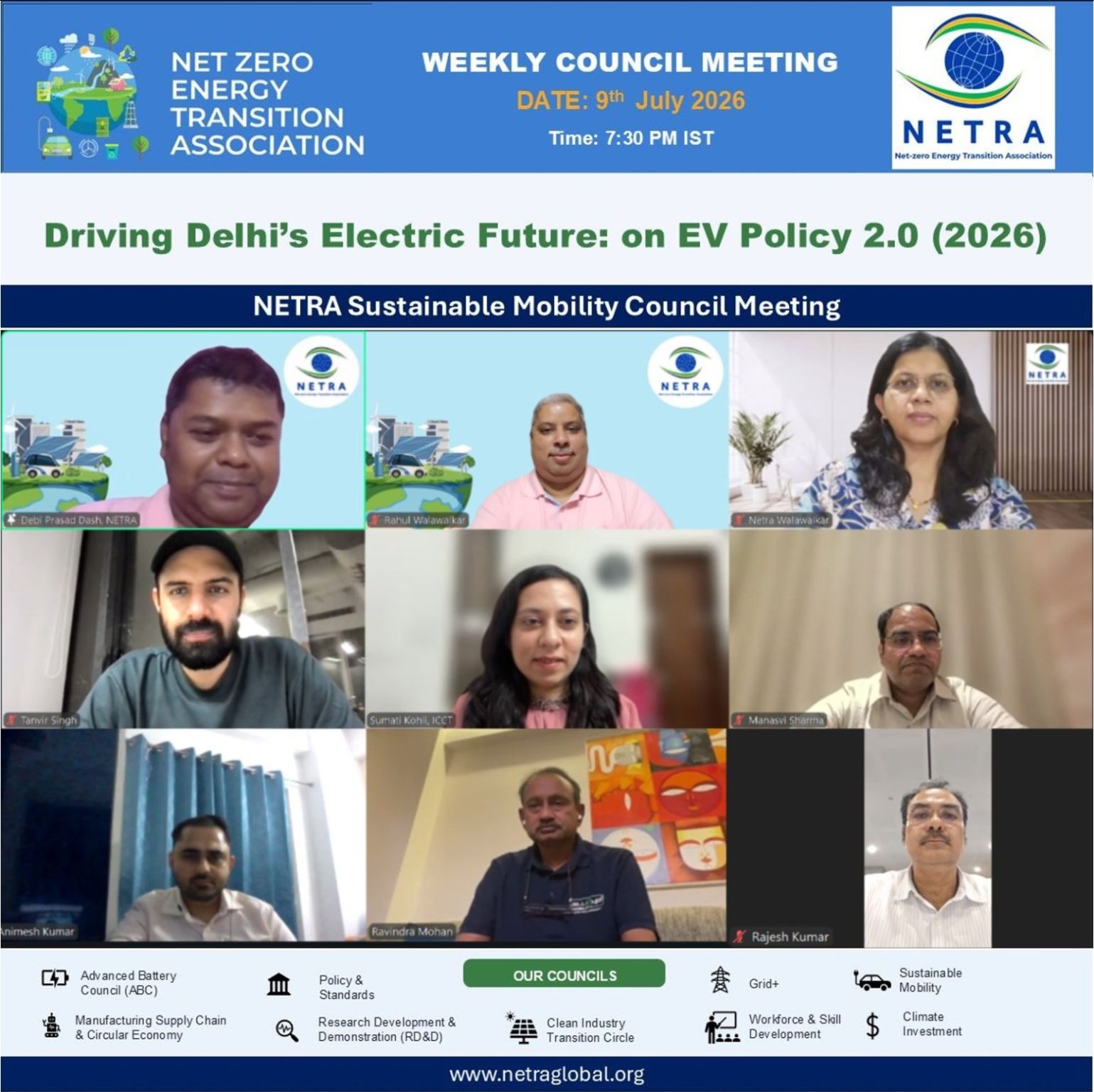
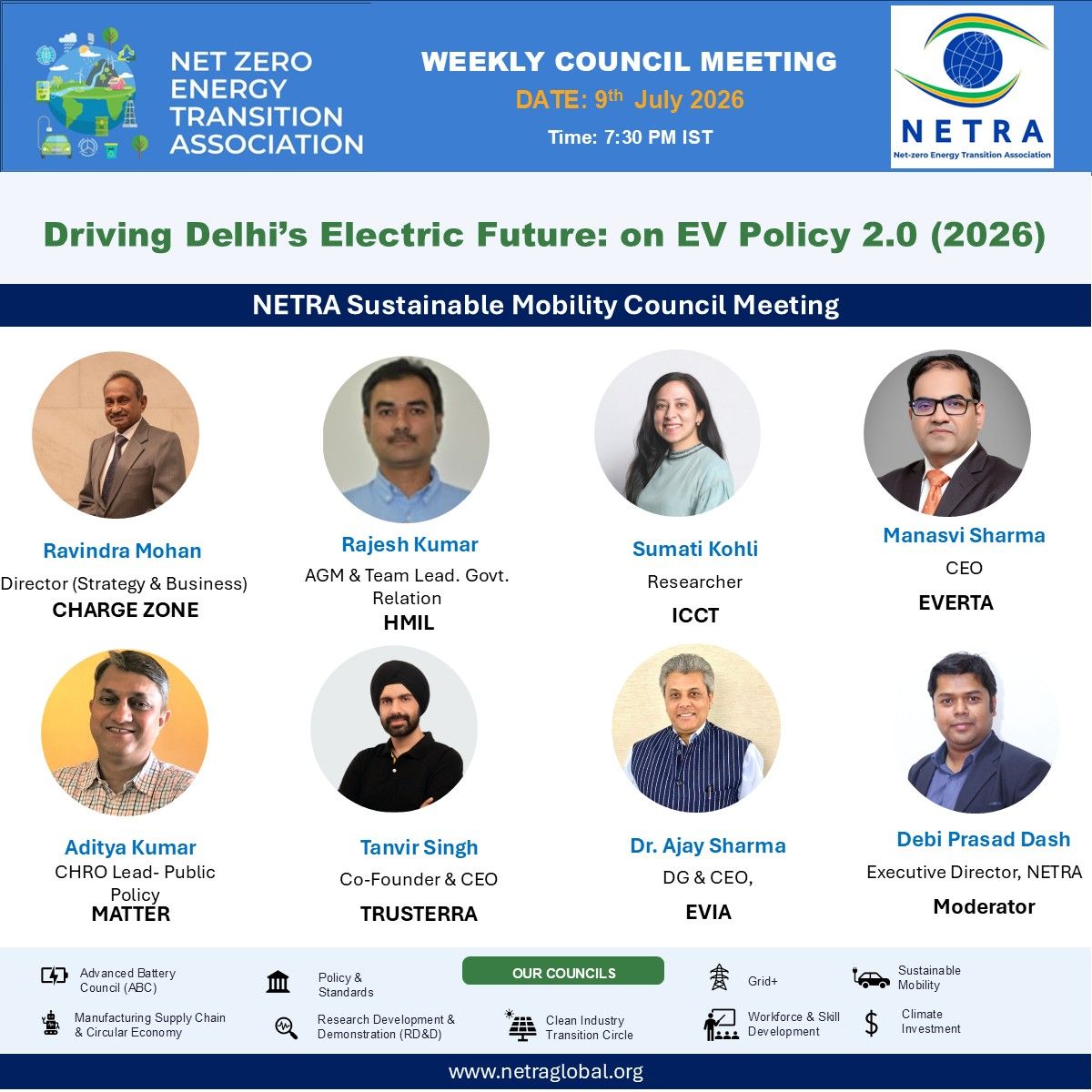
This session on Driving Delhi’s Electric Future: EV Policy 2.0 (2026) brought together policymakers and industry leaders. They examined the roadmap for accelerating electric mobility in the capital. The aim is to map near-term steps for sector-wide electrification. This frame shapes policy actions and investment priorities.
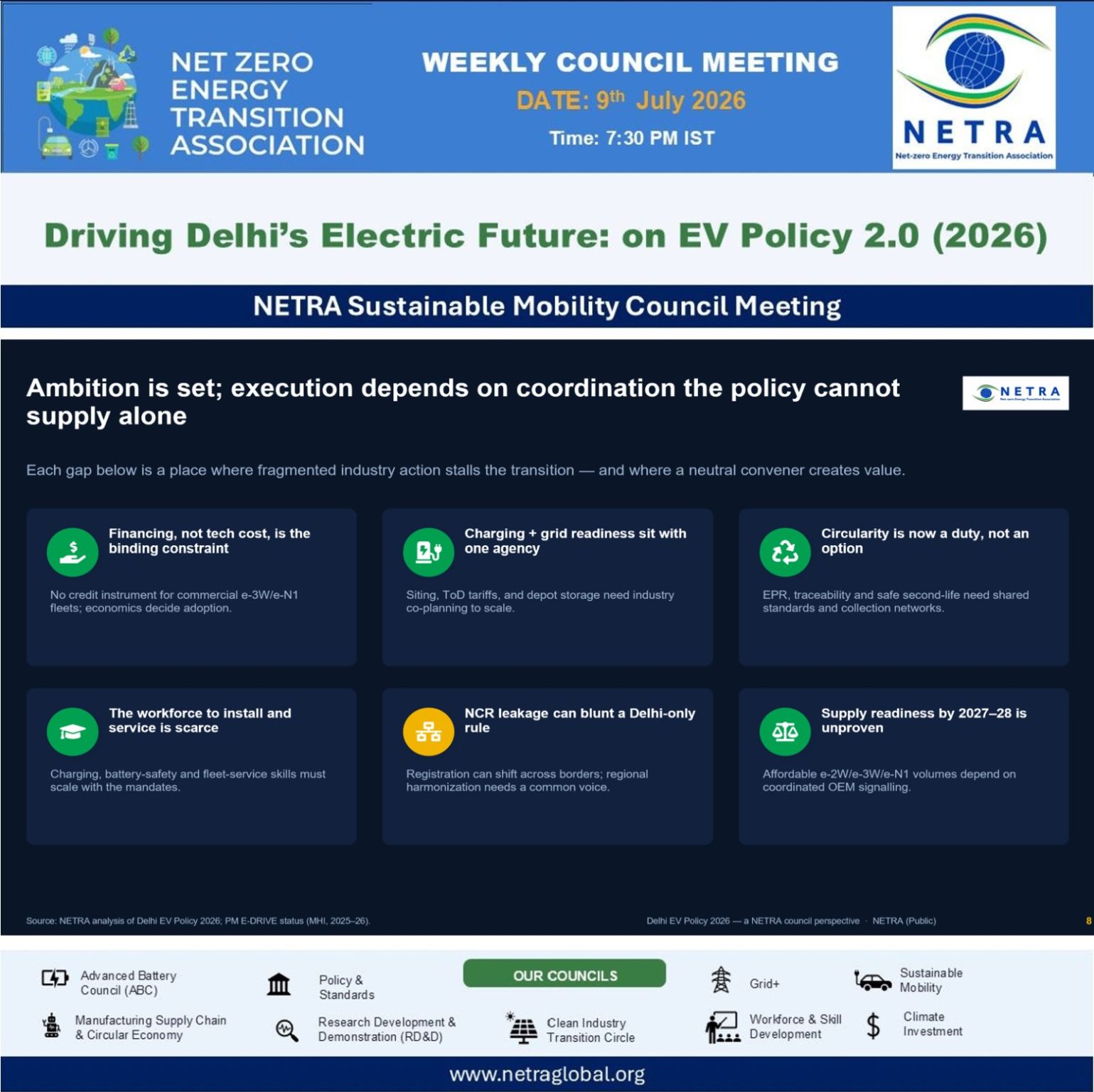
At the same time, participants acknowledged implementation gaps that must be addressed to translate policy intent into on-ground impact. This recognition drives a focus on governance, rollout timelines, and collaboration across public and private stakeholders. Ongoing monitoring will ensure milestones translate into tangible mobility gains.
A major area of focus was the need for more targeted and inclusive incentive structures.
However, while the policy provides a solid foundation, panelists highlighted the importance of introducing tailored cash incentives for specific vehicle categories, alongside robust financing mechanisms and residual-value protection frameworks.
These measures are essential to reduce upfront costs and improve affordability for consumers and fleet operators alike.
Infrastructure readiness for EV charging
Infrastructure readiness emerged as another critical pillar for a practical transition to electric mobility. Moreover, the plan emphasizes building reliable and widespread charging networks across residential, public, and dealer-based sites to support adoption, reduce range anxiety, and accelerate usage across communities.
Additionally, there should be incentives tied to charging with solar time-of-day benefits, ensuring cost efficiency and sustainability while aligning consumer choices with cleaner energy and grid resilience for households, businesses, and fleets, nationwide coverage everywhere by 2026 to support targets.
Experts underscored the importance of supporting shared mobility models, including electric buses and school transport systems.
Additionally, strengthening coordination across multiple government agencies was identified as a key enabler for seamless execution and faster rollout.
Equally important is consumer education to build trust and awareness around EVs. Additionally, clear communication on costs and performance supports Driving Delhi’s Electric Future: EV Policy 2.0 (2026), Sustainable Mobility.
Overall, EV Policy 2.0 represents a progressive step toward sustainable mobility, but its success will depend on focused action across financing, infrastructure reliability, and effective implementation.